

The Complete UK Supermarket Translation Guide for Mauritian Recipes
Anyone searching for Mauritian ingredients UK quickly notices that everyday supermarket products don’t always behave the way traditional recipes expect. Differences in flour strength, spice blends, vegetables, and even canned foods can alter texture, flavour, and overall cooking performance. These small variations often have a noticeable impact on the final dish.
For many home cooks and expats, this becomes a familiar challenge. You might follow a trusted Mauritian recipe step by step, yet the result feels off—Gateau Arouille lacks its crunch, Farata turns firm instead of soft, or a curry tastes less vibrant than expected. In most cases, the issue is not technique, but the ingredients available in a UK kitchen.
This guide acts as a practical translation for Mauritian recipe ingredients UK cooking. It explains how to choose better alternatives, where to source authentic products, and how to adapt recipes while preserving the flavour, texture, and comfort that define Mauritian food.
The Great Flour and Starch Divide (Baking & Binding)
When working with Mauritian ingredients UK, flour and starch often behave differently from what traditional recipes are designed for. Even small changes can influence crispness, elasticity, and structure, which are essential in many classic preparations.
Poudre Cange vs. UK Cornflour
In many UK kitchens, cornflour is used as a quick replacement, but it tends to create a slightly dense or sticky finish in fried foods. By comparison, Poudre Cange produces a lighter and more delicate crisp texture, making it a better fit for traditional snacks.
- Creates a light and crisp coating
- Maintains texture even after cooling
- Performs better in classic Mauritian frying methods
Understanding the role of arrowroot helps explain why it is often included among essential Mauritian baking ingredients, especially when aiming for authentic results in snacks and fritters.
Mauritian Flour vs. UK Plain Flour
UK plain flour does not always provide the flexibility needed for dishes like Farata, where soft layers and stretch are important. This difference mainly comes from protein content and how the dough develops during preparation.
To improve results:
- Blend plain flour with a slightly stronger flour
- Use traditional fats such as ghee
- Allow the dough enough resting time
- Apply folding techniques to build layers
These adjustments help recreate the softness and layered texture expected in traditional Mauritian recipes, even when relying on Mauritian ingredients UK substitutes.
The Noodle Translation: Beyond Supermarket Ramen
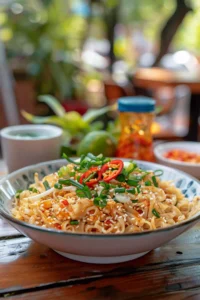
Selecting the right noodles is important when recreating Mauritian dishes in the UK. Although many supermarket options may look similar, their cooking performance can vary significantly.
Mine Apollo vs. Generic UK Egg Noodles
In Mauritian kitchens, Apollo noodles are widely used because of their firm texture and balanced flavour. They are slightly denser and hold their structure well during high-heat cooking, making them suitable for dishes like Mine Frire.
On the other hand, standard UK egg noodles tend to soften quickly and may break apart during stir-frying. They also lack the distinctive seasoning that defines Mauritian-style noodles.
Why Apollo-style noodles perform better:
- Maintain structure during cooking
- Absorb flavours without becoming overly soft
- Deliver a more authentic taste profile
This difference becomes especially noticeable in fried noodle dishes where both texture and flavour are equally important.
Canned Goods & Proteins: The Seafood Reality
Seafood choices can significantly influence the outcome of Mauritian dishes, particularly when preparing curries or rougaille in a UK setting.
Glenryk Pilchards vs. UK Canned Sardines
Many UK canned sardines in tomato sauce are softer and tend to break apart during cooking, which can result in a thinner sauce and reduced texture.
In contrast, Glenryk pilchards are firmer and more substantial. They retain their shape while cooking, allowing the sauce to develop more fully.
Why pilchards are preferred:
- Hold their structure during simmering
- Provide a richer, fuller bite
- Support a thicker and more balanced sauce
Choosing the right type of fish plays a key role in maintaining the authenticity of traditional recipes.
Spices, Masalas, and Condiments (The Flavor Core)
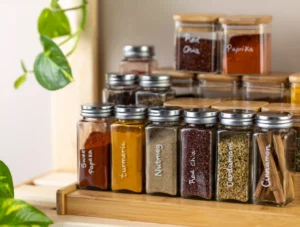
The distinctive character of Mauritian cuisine comes from its spices and condiments. While supermarket alternatives may offer similar colour, they often lack the depth needed for authentic flavour.
Mauritian Roasted Masala vs. UK Generic Curry Powder
Mauritian spice blends are influenced by both Indian and Creole traditions. The spices are typically roasted before grinding, which enhances their aroma and complexity.
Generic curry powders available in the UK tend to be milder and less layered in flavour.
Why Mauritian roasted masala stands out:
- Roasting enhances aroma and depth
- Balanced blend suited for traditional cooking
- Adds complexity rather than just colour
Exploring authentic Mauritian spices UK helps achieve a flavour profile closer to what is used in Mauritian households.
The Importance of Authentic Achards
Achards add contrast and texture to Mauritian meals and are quite different from British chutneys or common pickles.
They are usually:
- Tangy with mild spice
- Made from vegetables like cabbage, carrot, or mango
- Lightly pickled rather than overly sweet
They complement dishes such as rice, Farata, and noodles by adding freshness and balance.
Fresh Produce Logistics: The “Hard to Find” Veggies
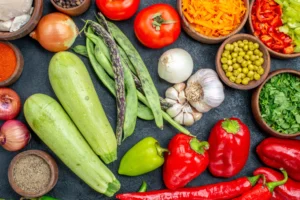
Finding the right vegetables is one of the biggest challenges when preparing Mauritian food in the UK. Mauritian vegetables such as brèdes, chouchou, and patisson are rarely available in large supermarkets.
Brèdes, Chouchou, and Patisson in the UK
These vegetables are widely used in everyday Mauritian cooking, especially in light curries and sautéed dishes. Their texture and flavour are difficult to replicate with common UK alternatives.
To bridge this gap, some suppliers import fresh produce directly from Mauritius using controlled logistics to maintain freshness during transport.
Why this matters:
- Preserves authentic taste and texture
- Reduces reliance on substitutes
- Makes traditional cooking more accessible
Drinks and the Sweet Finish

A Mauritian meal often feels incomplete without the right beverage, and this is another area where substitutes can fall short.
Sirop Dowlut vs. Standard Strawberry Syrup
Using standard strawberry syrup for drinks like Alouda may seem convenient, but it lacks the subtle almond note that defines the drink.
Sirop Dowlut provides the correct flavour balance, especially when combined with basil seeds for added texture.
Why it matters:
- Creates the proper flavour base
- Adds a light almond note
- Enhances texture when paired with basil seeds
Bois Chéri vs. UK Breakfast Tea
Bois Chéri tea is known for its smoother, more refined flavour compared to typical UK breakfast tea, which is usually stronger, more robust, and slightly bitter. This difference comes from the way the tea is grown and processed in Mauritius, resulting in a lighter profile that is easier to drink throughout the day.
Because of its gentle taste, it pairs naturally with traditional Mauritian snacks without overpowering their flavour, making it a better match for everyday consumption.
Key benefits of Bois Chéri tea:
- Smooth and mild taste, making it easy to drink without needing much sugar or milk
- Subtle flavour notes (often slightly floral or vanilla-like) that complement light foods
- Less bitterness compared to strong UK breakfast blends
- Suitable for multiple servings throughout the day without feeling heavy
- Pairs well with snacks like Farata, Gateau Arouille, and biscuits
In contrast, UK breakfast tea is designed for a stronger, more energising start to the day, which can sometimes dominate the delicate flavours found in Mauritian dishes.
The Reality of UK Availability: Where to Actually Source These Ingredients
Sourcing authentic ingredients is often the most difficult part of cooking Mauritian food in the UK.
The “World Food Aisle” Trap
Many supermarkets include international sections, but these usually cater to broad audiences rather than specific cuisines.
This often results in:
- Using approximate substitutes
- Missing key flavours
- Inconsistent cooking outcomes
The Local Corner Shop Gamble
Some independent stores may stock Mauritian products, but availability can vary widely.
This makes it:
- Difficult to rely on consistent supply
- Time-consuming to source ingredients
- Unpredictable in quality
Conclusion
Preparing authentic Mauritian food is not just about following a recipe—it depends on using the right ingredients at every stage.
While substitutions can work in some cases, they often change the texture, balance, and overall experience of traditional dishes. From flour and spices to noodles and vegetables, each component contributes to the final result.
Choosing a reliable source for Mauritian food online UK allows you to access authentic products more easily and recreate traditional meals with greater confidence.
FAQS:
Q1: Where can I buy Mauritian ingredients UK online?
You can find authentic products through specialised Mauritian grocery stores that offer delivery across the UK.
Q2: Why don’t UK supermarket ingredients work for Mauritian recipes?
They often differ in texture, spice composition, and freshness, which affects the final dish.
Q3: Can I use UK plain flour for Mauritian Farata?
Yes, but results may vary. Using a stronger flour blend with ghee improves texture.
Q4: What is the best substitute for Poudre Cange in the UK?
Arrowroot is the closest option. Cornflour may reduce crispness.
Q5: What makes Mauritian noodles different from UK noodles?
They are firmer and hold their structure better during cooking.
Q6: Is Mauritian curry powder the same as Indian curry powder?
No, Mauritian blends are roasted and have a deeper flavour.
Q7: Where can I find authentic Mauritian spices UK?
Specialist grocery stores offer traditional spice blends suited for Mauritian cooking.
Q8: Are Mauritian vegetables available in the UK?
They are typically sourced through specialist importers.
Q9: What are essential ingredients for a basic Mauritian recipe?
Common essentials include spices, vegetables, noodles or rice, and pickles.
Q10: Can I cook Mauritian food without specialty ingredients?
It is possible, but the final result may differ from the original.


