

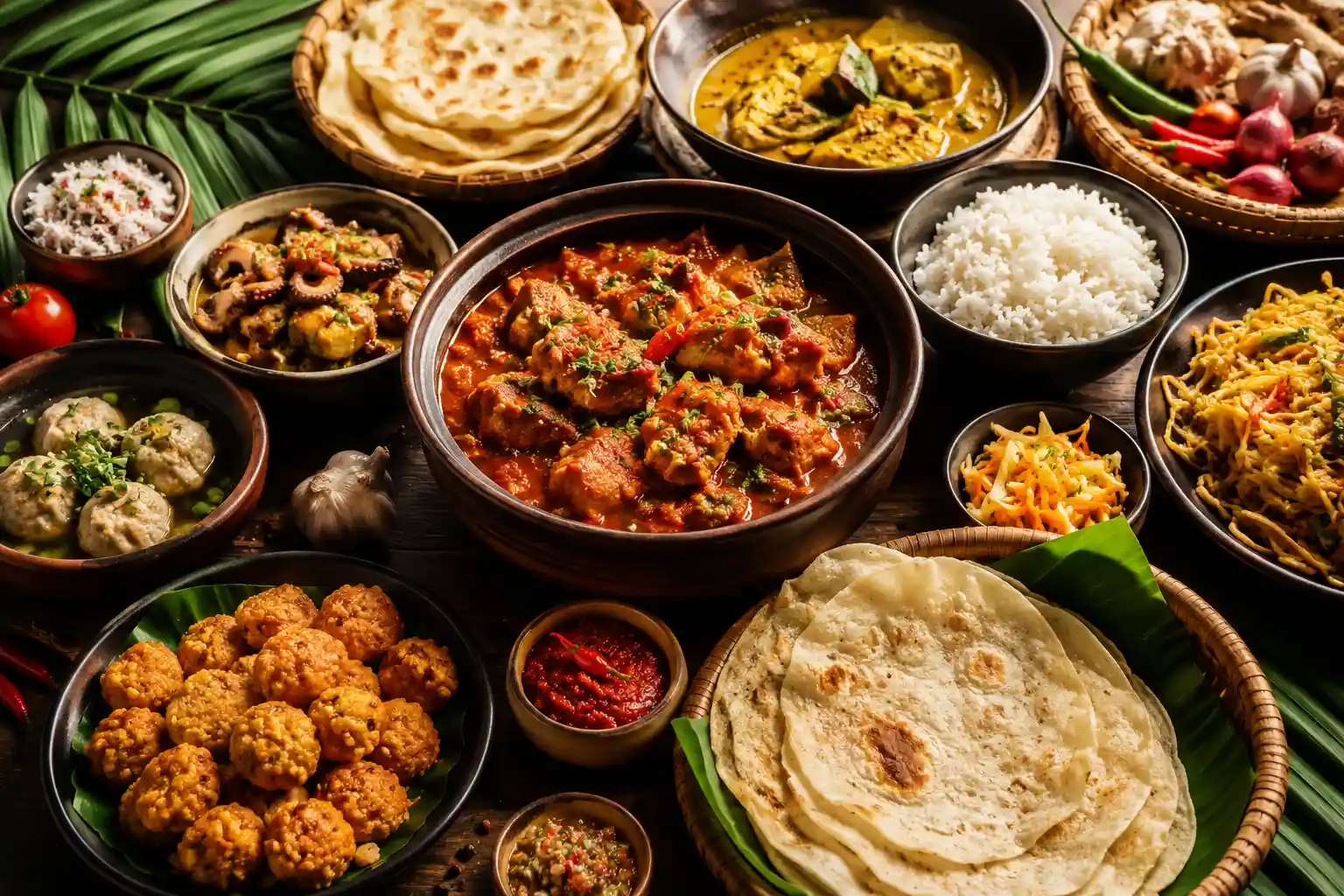
Beyond Curry and Roast Dinners: Why Mauritian Creole Cuisine Deserves a Place on Every UK Table
Britain has long embraced flavours from around the world. Today, adventurous home cooks and food lovers are looking beyond familiar favourites to discover cuisines with rich cultural stories and authentic ingredients. One cuisine gaining well-deserved attention is Mauritian Creole cuisine.
Rooted in the multicultural heritage of Mauritius, Creole cuisine combines African, French, Indian and Chinese culinary traditions with fresh island produce to create meals that are vibrant, comforting and full of character. Every recipe reflects generations of shared history, making Mauritian cuisine one of the most diverse food cultures in the world.
For the Mauritian diaspora across the UK, these dishes bring back memories of family gatherings, celebrations and home-cooked meals. For those discovering Creole food for the first time, they offer a delicious introduction to a cuisine that balances fragrant herbs, aromatic spices and fresh ingredients without relying on excessive heat.
Whether you’re exploring Creole cuisine UK, searching for authentic Mauritian dishes, or simply looking for new flavours to enjoy at home, this guide introduces the history, signature dishes and defining flavours that make Mauritian cooking so special.
More Than a Cuisine: The Story Behind Mauritian Creole Food
To truly appreciate Mauritian Creole cuisine, it’s important to understand the history behind it.
The word Creole describes cultures that evolved by blending different traditions over time. In Mauritius, centuries of migration and cultural exchange created a cuisine that reflects the island’s unique identity rather than the influence of any single country.
African communities introduced slow-cooked stews and seafood traditions. French settlers brought refined cooking techniques, tomato-based sauces and aromatic herbs. Indian communities contributed fragrant spices, curries and flatbreads, while Chinese immigrants added stir-fried noodles, rice dishes and dumplings. Together, these influences shaped the vibrant Creole cuisine enjoyed across Mauritius today.
Unlike Caribbean Creole cooking, which often features coconut milk and hotter peppers, Mauritian Creole cuisine focuses on fresh herbs, tomatoes, garlic, ginger and carefully balanced spices to create bold yet approachable flavours.
Cultural Influences Behind Mauritian Creole Cuisine
| Cultural Influence | Contribution to Mauritian Cuisine |
|---|---|
| African | Slow-cooked stews, seafood traditions and communal cooking |
| French | Tomato-based sauces, herbs and classic cooking techniques |
| Indian | Curry blends, spices, lentils and flatbreads |
| Chinese | Stir-fried noodles, dumplings and rice dishes |
| Mauritian Island Produce | Fresh seafood, tropical fruits, herbs and seasonal vegetables |
This blend of cultures has made Mauritian cuisine one of the world’s most distinctive culinary traditions, where every meal tells a story of heritage, family and shared experiences.
If You Only Try These Mauritian Creole Dishes, Start Here
Food is one of the best ways to experience a country’s culture, and these traditional Mauritian dishes offer the perfect introduction to authentic Creole food.
Whether served in family homes, local restaurants or busy street food stalls, these classics continue to define everyday life in Mauritius.
| Traditional Dish | Key Ingredients | Cooking Style | Commonly Served With | Cultural Influence |
|---|---|---|---|---|
| Rougaille | Tomatoes, garlic, thyme, onion | Tomato-based stew | Rice, Farata | French & Creole |
| Fish Vindaye | Fish, mustard seeds, turmeric, vinegar | Pickled curry | Rice, Salad | Indian & French |
| Chicken Daube | Chicken, tomatoes, garlic, herbs | Slow-cooked stew | Rice, Bread | French |
| Octopus Curry (Cari Ourite) | Octopus, curry powder, garlic, ginger | Curry | Rice | Creole & Indian |
| Boulettes | Fish or pork mince, spring onion, ginger | Steamed dumplings | Soup, Chilli Sauce | Chinese |
| Dholl Puri | Split peas, flour, turmeric | Flatbread | Bean curry, Achard, Chilli Paste | Indian |
| Farata | Flour, butter/oil | Pan-fried flatbread | Curries, Rougaille | Indian |
| Mine Frite | Noodles, vegetables, soy sauce | Stir-fry | Chilli Sauce | Chinese |
| Bol Renversé | Rice, vegetables, egg, meat | One-bowl meal | Chilli Sauce | Chinese |
| Gateau Piment | Split peas, chilli, coriander | Deep-fried fritter | Tea, Chutney | Indian |
| Achard Légumes | Cabbage, carrot, turmeric, mustard seeds | Pickled vegetables | Dholl Puri, Curries | Indian |
Satini Coco |
Fresh coconut, chilli, coriander | Fresh condiment | Fish, Curry, Rice | Creole |
Among these favourites, Rougaille is often considered the heart of Mauritian Creole cuisine. Its rich tomato base, combined with garlic, thyme and fresh herbs, creates a comforting dish enjoyed with rice, seafood or meat.
Another must-try is Fish Vindaye, a traditional recipe prepared with mustard seeds, turmeric and vinegar. Its tangy flavour sets it apart from typical curries and highlights the French and Indian influences that define Mauritian cooking.
No visit to Mauritius would be complete without tasting Dholl Puri. Widely recognised as the island’s most iconic street food, this soft split-pea flatbread is traditionally served with curry, pickles and chilli paste, making it a favourite among locals and visitors alike.
For a light snack or afternoon treat, Gateau Piment remains one of the island’s most popular bites. These crispy chilli fritters are packed with flavour and are often enjoyed with tea or alongside other street food favourites.
Together, these Creole dishes showcase the incredible diversity of Mauritian cuisine, from comforting family recipes to quick street food enjoyed every day.
The Flavour Blueprint: What Makes Creole Cuisine Taste So Different?
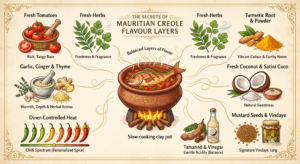
The beauty of authentic Creole cuisine lies in its balance. Rather than relying on overwhelming spice, Mauritian Creole cuisine layers fresh herbs, aromatic spices and quality ingredients to create rich, well-rounded flavours.
The Signature Flavours of Mauritian Creole Cuisine
- Fresh tomatoes create the rich, tangy base for classics like Rougaille and Chicken Daube.
- Garlic and ginger provide warmth and depth while enhancing the natural flavour of meat, seafood and vegetables.
- Fresh thyme gives many traditional Mauritian dishes their distinctive herbal aroma.
- Turmeric adds vibrant colour and subtle earthy notes to curries and Fish Vindaye.
- Mustard seeds create the signature tangy flavour that makes Vindaye instantly recognisable.
- Fresh chillies are usually added according to personal preference, allowing each diner to control the spice level.
- Curry leaves and coriander introduce freshness and fragrance to everyday family recipes.
- Tamarind and vinegar add gentle acidity that balances richer sauces and pickled dishes.
- Fresh coconut brings natural sweetness to condiments such as Satini Coco.
- Slow cooking techniques allow herbs and spices to develop naturally, creating deep, comforting flavours without overpowering the dish.
Why These Flavours Appeal to UK Food Lovers
- They are aromatic rather than intensely spicy.
- Most fresh ingredients are easy to source from UK supermarkets.
- Authentic Mauritian spices and pantry staples are now readily available through specialist online stores.
- The recipes are versatile enough for both everyday family meals and special occasions.
Creole Cuisine vs Traditional British Cuisine: Two Comfort Food Cultures Compared
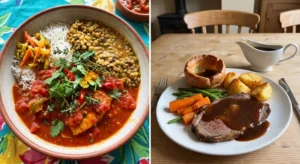
At first glance, Mauritian Creole cuisine and traditional British cuisine may seem worlds apart. One is shaped by tropical island traditions, while the other is rooted in seasonal British produce. However, both cuisines share a common purpose—bringing people together around comforting, home-cooked meals.
The biggest difference lies in how each cuisine develops flavour. British cooking often celebrates simplicity with roasted meats, vegetables and rich gravies. In contrast, Creole cuisine layers fresh herbs, aromatic spices and slow-cooked sauces to create dishes that are bold, balanced and full of depth.
| Traditional British Cuisine | Mauritian Creole Cuisine |
|---|---|
| Roast dinners and savoury pies | Rougaille, Chicken Daube and aromatic curries |
| Butter, gravy and mild herbs | Fresh herbs, tomatoes and balanced spices |
| Potatoes and root vegetables | Rice, Dholl Puri and Farata |
| Slow roasting and baking | Slow simmering, steaming and stir-frying |
| Black pepper for seasoning | Fresh chillies added to taste |
| Seasonal vegetables | Tropical vegetables, seafood and fragrant herbs |
| Afternoon tea with biscuits | Tea served with Gateau Piment or Mauritian snacks |
While the ingredients differ, both cuisines celebrate family traditions, generous hospitality and recipes passed down through generations. That’s why many people in the UK quickly connect with Mauritian cuisine—it offers the same comforting experience with an exciting new flavour profile.
Building Your First Mauritian Pantry in the UK
Creating authentic Creole food at home doesn’t require a cupboard full of specialist ingredients. A few carefully chosen pantry staples can help you prepare many of the island’s best-loved Mauritian dishes.
Start with These Essentials
- Mauritian Curry Powder – A balanced spice blend used in traditional curries and daubes.
- Mustard Seeds – Essential for preparing authentic Fish Vindaye.
- Turmeric – Adds colour, warmth and depth to many Creole dishes.
- Chilli Paste – Lets you adjust the heat while keeping traditional flavours.
- Achards (Pickled Vegetables) – A classic accompaniment to Dholl Puri, curries and rice dishes.
- Dried Thyme – One of the defining herbs in Rougaille and slow-cooked meals.
- Tamarind Paste – Adds a gentle tang to sauces, marinades and chutneys.
- Mauritian Tea – Perfect for breakfast or paired with traditional snacks like Gateau Piment.
Shopping from a trusted Mauritian grocery store ensures you’re using authentic ingredients that preserve the true taste of Mauritian Creole cuisine. As specialist products become more widely available across the UK, it’s easier than ever to recreate these traditional recipes at home.
Conclusion: Bring Authentic Mauritian Creole Cuisine to Your Kitchen
Every recipe in Mauritian Creole cuisine reflects the island’s remarkable cultural heritage. From the comforting flavours of Rougaille and Chicken Daube to the vibrant street-food favourites like Dholl Puri and Gateau Piment, every dish celebrates generations of shared traditions and fresh island ingredients.
Whether you’re reconnecting with your roots, introducing your family to authentic Creole food, or discovering Mauritian cuisine for the first time, these recipes offer a delicious way to experience one of the world’s most diverse culinary traditions.
As interest in Creole cuisine UK continues to grow, finding authentic ingredients has never been easier. Explore our collection of traditional Mauritian groceries, spices, sauces and pantry essentials on the mauritian food online uk, or browse our recipe blog to discover more Mauritian dishes and cooking inspiration for every occasion.
Frequently Asked Questions
Is Mauritian Creole cuisine suitable for people who don’t enjoy spicy food?
Yes. Most Mauritian Creole cuisine focuses on balanced flavours rather than intense heat. Fresh chillies are often served separately, allowing you to adjust the spice level to suit your taste.
Which Mauritian dish should I try first if I’m new to Creole cuisine?
Rougaille is an excellent introduction because it combines tomatoes, garlic and fresh herbs to create a comforting meal that represents the heart of Creole cuisine.
What’s the difference between Mauritian Creole cuisine and Indian cuisine?
Although Mauritian cuisine uses Indian spices, it also incorporates French cooking techniques, African traditions and Chinese influences. This combination creates lighter, more herb-forward dishes with unique flavour profiles.
Is Dholl Puri a meal or a snack?
Dholl Puri is traditionally enjoyed as a complete meal. It’s usually served with curry, pickles, chilli paste and chutneys, making it one of Mauritius’ most popular street foods.
What ingredients make Fish Vindaye unique?
Fish Vindaye is known for its combination of mustard seeds, turmeric, vinegar and aromatic spices. This gives the dish its distinctive tangy flavour, setting it apart from traditional curries.
Can vegetarians enjoy Mauritian Creole cuisine?
Absolutely. Vegetarian favourites include Dholl Puri, Farata, Gateau Piment, vegetable curries, Achard Légumes and many traditional side dishes.
Which Mauritian dishes are perfect for family gatherings?
Chicken Daube, Rougaille, Bol Renversé and seafood curries are popular choices because they’re easy to prepare in larger portions and are traditionally shared with family and friends.
Where can I buy authentic Mauritian groceries in the UK?
Specialist Mauritian food retailers and dedicated online stores offer authentic spices, sauces, snacks, frozen foods and pantry essentials delivered across the UK.
Are Mauritian Creole dishes healthy?
Many traditional recipes use fresh vegetables, herbs, seafood and home-cooked ingredients. As with any cuisine, the nutritional value depends on the ingredients and cooking method used.
What drink pairs best with Mauritian Creole food?
Traditional Mauritian tea is a popular choice, while tropical fruit juices and refreshing drinks like Alouda also pair well with many Mauritian dishes, especially during warmer months.


