


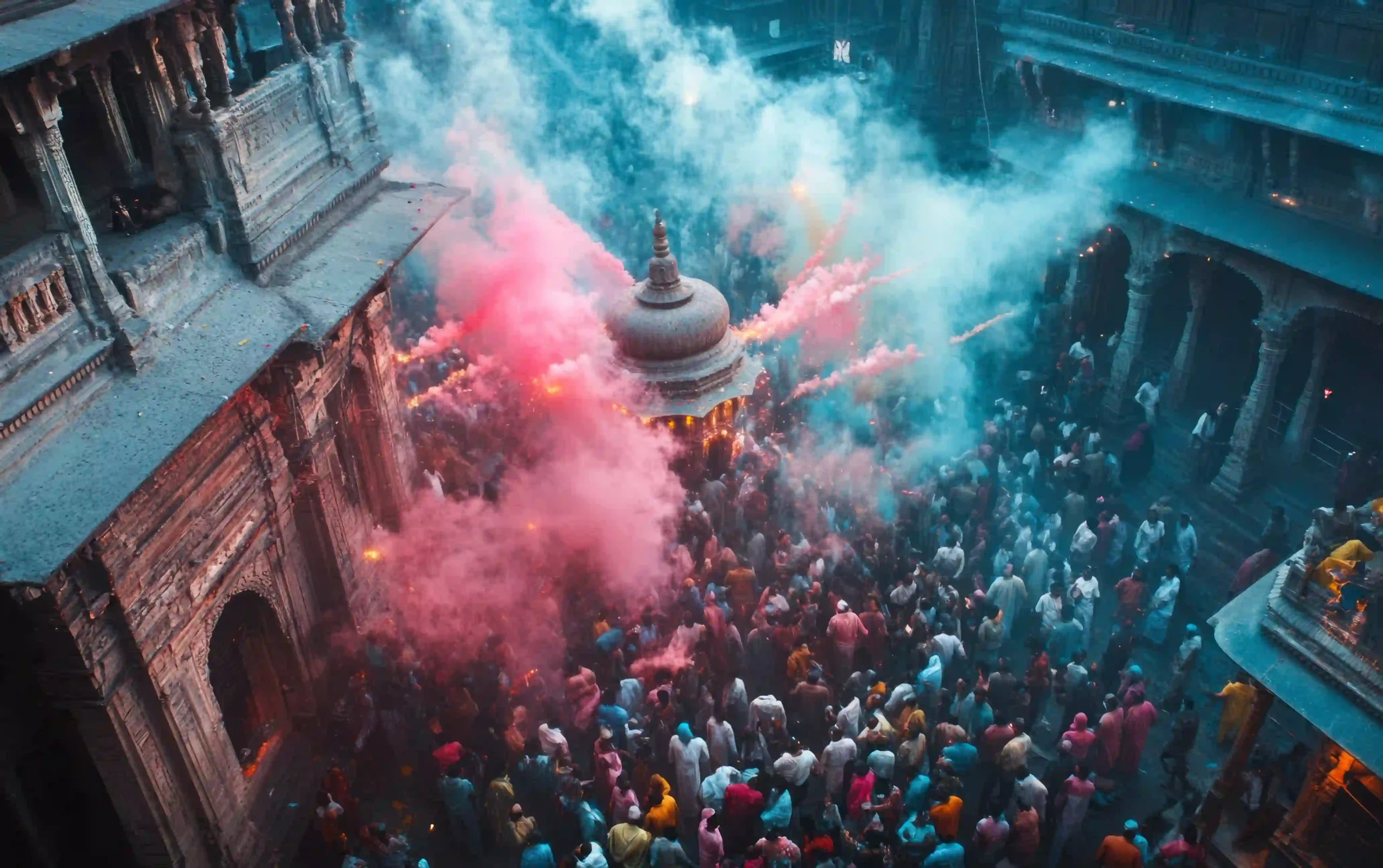
A Year of Feasts: Discovering the Festivals & Flavours of Mauritius
Mauritius may be a small island, but when it comes to culture, it’s wonderfully big-hearted. They’re moments people truly live. The festivals of Mauritius bring families, neighbours, and communities together, and food is always at the centre of it all. Every Mauritian festival is an opportunity to cook, share, and celebrate, regardless of your background.
With a multi-ethnic society made up of Indian, Creole, Chinese, African, and European roots, Mauritian cultural festivals feel warm and inclusive. This mix is exactly what shapes the island’s cuisine, influenced by the wider Indian Ocean cuisine. The real flavours of Mauritius come from these shared traditions – simple, meaningful, and always made to be enjoyed together.
If you’d like to learn more about Mauritian food and traditions, keep reading – this blog takes you through the festivals, flavours, and stories behind them.
The Cultural Calendar of Mauritius: Festivals Throughout the Year
Mauritius is a place where there’s always a reason to celebrate. The island’s Mauritian cultural events bring people together through faith, family, and, of course, food. Here’s a quick look at the key Mauritius cultural festivals throughout the year:
| Time of Year | Festivals Celebrated |
|---|---|
| Jan – Apr | Maha Shivaratree (Ganga Talao / Grand Bassin), Thaipoosam Cavadee (Cavadee in Mauritius), Holi, Ganesh Chaturthi Mauritius, Ugadi Mauritius |
| May – Aug | Diwali in Mauritius (Mauritius Diwali), Raksha Bandhan in Mauritius, Eid al-Fitr in Mauritius |
| Sep – Dec | Christmas & Easter, Chinese New Year Mauritius (Chinese Spring Festival), Independence Day of Mauritius, Abolition of Slavery Day, Père Laval Festival |
This deep link between food and faith is what gives Mauritian cuisine its warmth and character.
Sacred Festivals & Traditional Food Rituals in Mauritius
The sacred festivals in Mauritius have a very intimate nature and are largely centred around spirituality, contemplation and community. The rituals of each of these festivals are very much supported by food, yet food is almost an afterthought. This is an example of the strong ties between everyday cooking and the traditional customs and practices in Mauritius.
Maha Shivaratree at Ganga Talao: Fasting, Faith & Food
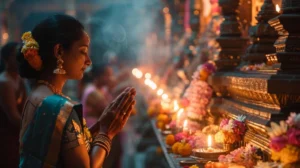
Maha Shivaratree National Day is considered to be one of the most significant Hindu dates in Mauritius. As an expression of their devotion, large groups of people from many different religions walk for several days to Ganga Talao-Grand Bassin. Most have been fasting all week prior to their pilgrimage to the holy site.
After prayers, simple vegetarian food is shared. Dishes like puri, halwa, and the traditional seven curries are prepared with care, using curry leaves and coconut chutney. These humble Mauritian dishes reflect balance, respect, and the spiritual meaning behind the festival.
Thaipoosam Cavadee: Devotion & Vegetarian Cuisine
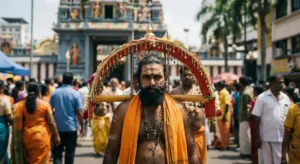
Thaipoosam Cavadee in Mauritius is marked by discipline and devotion. Fasting is central, and food remains strictly vegetarian before and during the festival.
Typically, meals consist of puri along with seven curries and a variety of coconut-based dishes, seasoned with a touch of ginger-garlic paste and/or chili paste. The intention of consuming these foods is to provide an avenue for worship rather than a means to celebrate with rich food.
Eid ul Fitr: Celebration Through Sharing & Flavours
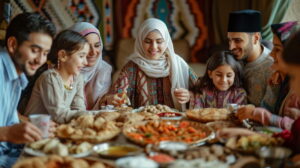
Eid ul Fitr in Mauritius celebrates the end of Ramadan and begins with prayer, followed by generous meals shared with family, friends, and neighbours.
A highlight of the day is Mauritius biriyani, made with aromatic basmati rice, spices, and a hint of tamarind. The dish reflects the spirit of Eid -sharing, warmth, and gratitude -and shows how food brings people together across communities.
Cooking at home with familiar Mauritian dishes and Mauritian spices is one of the easiest ways to preserve these traditions across generations.
Celebrations of Light, Colour & Tradition in Hindu Festivals
Festivals in Mauritius are full of colour, warmth, and homemade treats. Hindu celebrations, in particular, bring together family, faith, and food that’s meant to be shared.
Diwali: Festival of Lights & Sweets
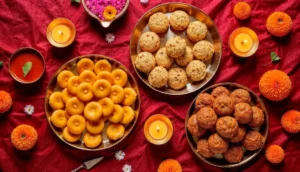
Diwali in Mauritius (Mauritius Diwali) is celebrated with lamps, prayers, and open homes, during this time:
- Families prepare Mauritian Diwali sweets days in advance
- Popular treats include ladoo, halwa, and the much-loved Napolitaine
- Savoury snacks like gateaux piments balance the sweetness
These celebrations highlight the variety of Mauritius sweets and Mauritius snacks enjoyed across the island.
Holi & Ugadi: Seasonal Ingredients & Home Cooking
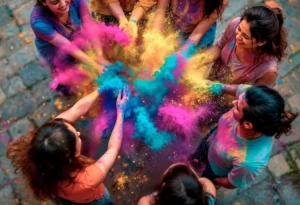
Holi in Mauritius is joyful and colourful, celebrated with friends and family, the main moments are:
- Meals after Holi are simple and comforting
- Ugadi Mauritius, the Hindu New Year, focuses on fresh starts and seasonal food
- Dishes often include farata (roti), vindaye, and rougaille
Ingredients like tamarind and curry leaves bring balance and flavour
Chinese & Creole Influences: Spring Festivals & Street Food Culture
Mauritian food culture is shaped just as much by Chinese and Creole traditions as by Indian ones. These influences are especially visible during festivals and public celebrations.
Chinese New Year / Spring Festival in Mauritius
Chinese New Year Mauritius, also called the Chinese Spring Festival Mauritius, is widely celebrated
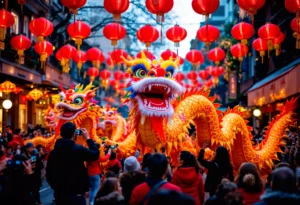
- Families gather for meals and traditions
- Foods like boulettes are especially popular
- Port Louis street food comes alive during this time
- The Chinese Spring Festival adds colour and flavour to the island’s cultural calendar
Creole Celebrations & National Identity
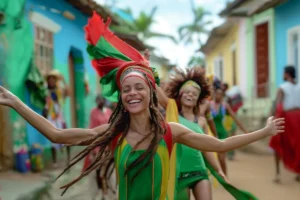
- Independence Day of Mauritius celebrates freedom and national pride
- Abolition of Slavery Day is a time of remembrance and reflection
- Creole dishes like rougaille and vindaye are commonly enjoyed
These foods reflect Mauritian street food culture and colonial food influence.
Drinks, Tea & Everyday Festival Beverages
Drinks are an easy but meaningful part of Mauritian celebrations. Mauritius tea, grown locally, reflects long-standing island-grown tea traditions and is enjoyed during family visits and festive gatherings.
Alongside tea, light herbal infusions and refreshing homemade beverages are commonly served, showing how simple Mauritius drinks are part of everyday life and special occasions.
The Mauritian Pantry: Ingredients Behind Every Festival Feast
At the heart of every celebration is the Mauritian pantry, where tradition begins. Ingredients like curry leaves, tamarind, ginger-garlic paste, chilli paste, and coconut chutney form the base of festival cooking.
Blends such as Mauritius masala and carefully selected Mauritius spices add depth and warmth, making the Mauritian pantry essential to every festive meal.
Mauritian Food Culture in the UK: Festivals, Diaspora & Access
For the Mauritian diaspora in the UK, food is one of the strongest ways to stay connected to home, especially during festivals and family gatherings.
- The Mauritian community UK continues to celebrate traditions through familiar home-cooked dishes
- Ingredients are sourced from African & Indian grocery stores UK and local ethnic food shops UK
- Many families now rely on online ethnic grocery delivery UK for convenience
Accessing authentic products through Mauritius food online UK platforms makes traditional cooking easier, and this makes sure Mauritian groceries remain part of celebrations, no matter the distance from the island.
Home Celebrations: Preserving Mauritian Festivals Through Food and Family
Celebrating at home often starts in the kitchen. Making dhol puri, frying gateaux piments, rolling farata, or preparing seven curry brings families together and keeps traditions alive. These moments of cooking and sharing are at the heart of Mauritian cuisine, where Mauritian foods are passed down through family celebrations and everyday meals.
Why the Festivals of Mauritius Are a Living Culinary Heritage
The festivals of Mauritius are a reflection of the island’s soul – where culture, faith, and food come together naturally. Through shared meals, traditions are preserved and the rich flavours of Mauritius continue to travel across generations and borders.
Whether celebrated on the island or in the UK, these festivals remain a living culinary heritage worth sharing, Through Mauritian food online, we help keep those flavours and traditions close to home.
Frequently Asked Questions (FAQs)
What are the main festivals of Mauritius?
Mauritius celebrates Hindu, Muslim, Christian, Chinese, and national festivals including Diwali, Eid, Christmas, Chinese New Year, and Independence Day.
Is Diwali a public holiday in Mauritius?
Diwali in Mauritius is a National Holiday and is celebrated as one of the major national holidays across all communities.
What food is eaten during Mauritian festivals?
The most common dishes are the seven curries, biryani, gateaux piments, farata, various types of sweetmeats and street foods, including Boulettes
How is Chinese New Year celebrated in Mauritius?
The celebration includes families getting together and cleaning their homes, lighting firecrackers, and sharing traditional foods, especially in Port Louis.
Can I find Mauritian festival ingredients in the UK?
yes, many people are ordering Mauritian products from sites such as mauritianfoodsonline.com.
What makes Mauritian cuisine unique?
The combination of Indian, Creole, Chinese, African, and European influences create the character of Mauritian food through festivals and in everyday life.
Are Mauritian festivals celebrated by all communities?
Yes, Mauritian festivals are widely shared and respected across communities. People of different backgrounds often participate in each other’s celebrations, reflecting the island’s strong spirit of cultural harmony.
What role do festivals play in Mauritian culture?
Festivals play a major role in bringing families and communities together, preserving traditions, and showcasing Mauritius’s multicultural identity through music, food, rituals, and public celebrations.


