

The Ultimate Guide to Mauritian Cuisine: Traditional Foods, Popular Dishes, Ingredients & Recipes
Mauritian cuisine is a vibrant blend of flavours, cultures and culinary traditions. From freshly prepared dholl puri and aromatic chicken curry to spicy rougaille, Chinese-inspired fried noodles and delicious local sweets, the food of Mauritius reflects the island’s rich multicultural heritage.
For anyone exploring traditional Mauritian food, understanding the ingredients, cooking methods and cultural influences behind each dish is an excellent place to start. Whether you want to recreate authentic Mauritian recipes at home, discover popular street foods or find the essential ingredients for your kitchen, this guide covers everything you need to know.
In this ultimate guide to Mauritian cuisine, we explore the island’s culinary history, popular dishes, traditional spices, essential pantry ingredients, easy recipes and tips for finding authentic Mauritian groceries online.
1. What Is Mauritian Cuisine?
Mauritian cuisine is the traditional food culture of Mauritius, an island nation in the Indian Ocean. Its culinary identity has developed through generations of migration, trade and cultural exchange.
Indian, Chinese, African, French and Creole influences all contribute to the island’s diverse food traditions. These influences can be seen in the spices used in curries, the noodles served at street-food stalls, the French-inspired baking techniques and the distinctive Creole sauces found in everyday meals.
Rice, lentils, vegetables, seafood, meat, spices and fresh herbs form an important part of many Mauritian meals. However, there is no single style of cooking that represents the entire island. Recipes and ingredients vary between families, communities and regions.
What Makes Mauritian Food Unique?
Several characteristics distinguish Mauritian cuisine from other island food cultures.
A blend of culinary traditions: Mauritian cooking combines techniques and ingredients associated with different cultural communities, creating distinctive local dishes.
A variety of flavours: Meals may feature chilli heat, tangy pickles, aromatic spices, savoury sauces and fresh herbs.
Everyday street food: Snacks such as dholl puri, farata and gateaux piments are popular parts of the island’s food culture.
Versatile ingredients: Rice, lentils, vegetables, noodles and spices can be used to prepare a wide range of meals.
Family recipes: Many traditional dishes are prepared using recipes passed down through generations, with variations in seasoning and cooking methods.
Together, these characteristics make Mauritian cuisine an exciting choice for anyone interested in exploring new flavours and traditional home cooking.
2. Traditional Mauritian Foods You Must Try
The best way to understand Mauritian cuisine is to explore its most recognisable dishes. From quick street-food favourites to comforting home-cooked meals, these traditional foods showcase the island’s culinary diversity.
2.1 Dholl Puri
Dholl puri is one of Mauritius’s best-known street foods. It consists of a thin flatbread made with ground split peas, traditionally yellow split peas, and is cooked on a hot griddle.
The flatbread is commonly served with butter beans curry, rougaille, chutneys or other accompaniments. It is folded around the fillings and enjoyed as a satisfying meal or snack.
Its soft texture, mild flavour and combination of accompaniments make dholl puri a favourite among locals and visitors.
2.2 Farata (Mauritian Roti)
Farata is a layered flatbread with roots in Indian culinary traditions. It is made from a simple dough of flour, water and salt, with oil or fat used in the preparation to create its characteristic layers.
Farata is commonly served alongside curries, lentils, vegetables and sauces. Its soft, slightly flaky texture makes it ideal for soaking up rich gravies.
If you enjoy making flatbreads at home, farata is a useful introduction to Mauritian cooking.
2.3 Rougaille
Rougaille is a popular tomato-based dish prepared with tomatoes, onions, garlic, ginger and seasonings. Depending on the recipe, it may include fish, seafood, sausages, meat or vegetables.
The tomatoes create a rich, tangy base, while chilli and aromatic ingredients add depth. Rougaille is often served with rice, making it a versatile option for everyday meals.
Although recipes vary, fresh tomatoes and carefully balanced seasoning are central to many versions of this Mauritian favourite.
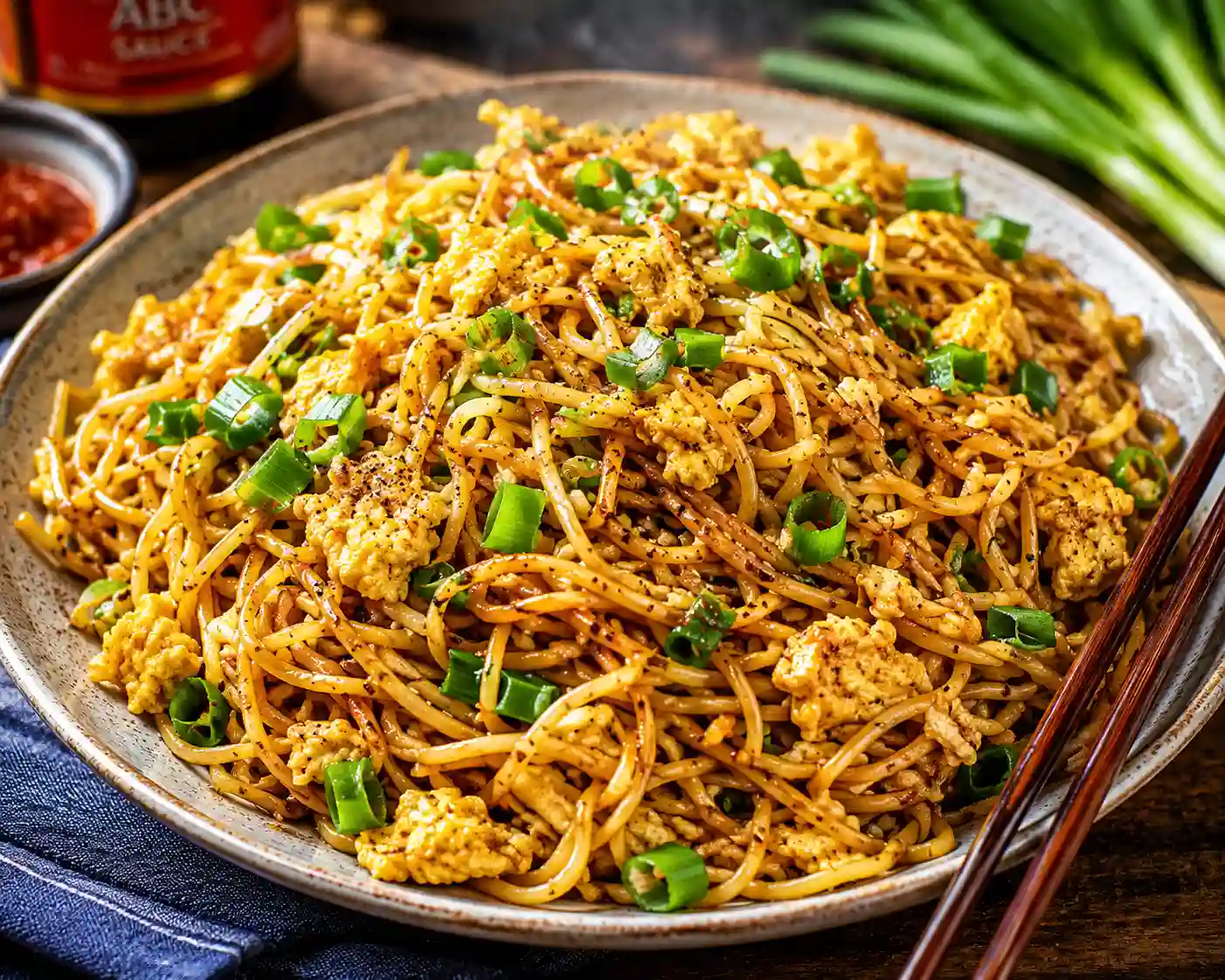
2.4 Mine Frite
Mine frite is the Mauritian version of fried noodles. It commonly features noodles stir-fried with vegetables, soy sauce and seasonings, with egg, chicken, prawns or other proteins added according to preference.
The dish reflects Chinese culinary influences within Mauritian food culture. It is widely enjoyed as a takeaway meal and street-food favourite.
For a homemade version, prepare the ingredients before cooking and stir-fry them over relatively high heat to help maintain the noodles’ texture.
2.5 Bol Renversé
Bol renversé, often described as an upside-down bowl, is a layered Mauritian dish influenced by Chinese cooking.
It typically contains stir-fried vegetables, a savoury sauce and a protein such as chicken, beef or prawns. These ingredients are arranged in a bowl, topped with rice and then turned upside down onto a plate.
The result is a distinctive dome-shaped meal that combines rice, vegetables and a savoury filling in one serving.
2.6 Mauritian Biryani
Mauritian biryani is a fragrant rice dish associated with the island’s Indian culinary heritage. It is often prepared using basmati rice, meat or chicken, potatoes, yoghurt and a mixture of spices.
The ingredients are layered and cooked together so that the rice absorbs the aromas of the seasoned meat and spices.
Biryani is especially popular at celebrations, family gatherings and special occasions. Although it shares similarities with biryani traditions elsewhere, local preparation methods and family recipes give Mauritian versions their own character.
2.7 Vindaye
Vindaye is a distinctive Mauritian dish commonly prepared with fish, although variations using other ingredients also exist.
The preparation typically includes mustard, turmeric, garlic, ginger, vinegar and other seasonings. These ingredients create a tangy, aromatic flavour profile that distinguishes vindaye from many tomato-based curries.
It is often served with rice or bread and is a good example of how spices and acidity work together in Mauritian cooking.
2.8 Cari Poulet (Mauritian Chicken Curry)
Cari poulet is a traditional Mauritian chicken curry prepared with ingredients such as onions, garlic, ginger, tomatoes and spices.
Depending on the household recipe, the seasoning may include turmeric, cumin, coriander and other aromatic spices. The chicken is cooked until tender, allowing the flavours to develop into a rich, savoury sauce.
Cari poulet is commonly served with rice, lentils, vegetables or flatbread. It is a useful dish to explore if you want to understand how Mauritian home cooking uses spices to build flavour.
2.9 Gateaux Piments
Gateaux piments are small savoury fritters made primarily from split peas, chilli and seasonings. The mixture is shaped into small portions and deep-fried until golden.
They are commonly enjoyed as street food, snacks or accompaniments to bread-based meals. Some recipes include spring onions, coriander or additional spices.
Crispy on the outside and soft inside, gateaux piments demonstrate how simple pantry ingredients can become a much-loved Mauritian snack.
2.10 Achard Legumes
Achard legumes is a pickled vegetable preparation made with vegetables, mustard seeds, turmeric, chilli and other seasonings.
The vegetables are typically sliced and combined with the seasoning mixture to create a tangy, spicy accompaniment. Depending on the recipe, the vegetables may be lightly cooked or prepared using other preservation methods.
Achard legumes adds colour, acidity and texture to meals and can be served alongside rice, curries, bread and other savoury dishes.
2.11 Alouda
Alouda is a popular Mauritian chilled drink, often enjoyed as a refreshing treat in warm weather.
It commonly contains milk, basil seeds and agar-agar jelly, with vanilla or other flavourings. Some versions are served with ice cream.
Its creamy texture and combination of jelly and seeds make alouda different from many conventional milk-based drinks.
2.12 Napolitaines
Napolitaines are well-known Mauritian sweet treats consisting of two delicate shortbread-style biscuits joined with jam and covered with a layer of icing.
They are traditionally associated with tea-time snacks, bakeries and celebrations. Their crumbly texture contrasts with the sweetness of the filling and icing.
For anyone exploring Mauritian desserts, napolitaines are a delicious introduction to the island’s baking traditions.
3. Popular Mauritian Street Foods and Snacks
Street food is an important part of everyday life in Mauritius. Markets, roadside stalls, bakeries and food vendors offer a wide variety of quick meals and snacks influenced by the island’s different culinary traditions.
Some popular choices include:
- Dholl puri: A split-pea flatbread served with curries and chutneys.
- Gateaux piments: Spiced split-pea fritters with a crisp exterior.
- Samosas: Fried pastry parcels filled with vegetables, potatoes or other savoury fillings.
- Farata: A layered flatbread served with savoury accompaniments.
- Mine frite: Stir-fried noodles prepared with vegetables and optional protein.
- Napolitaines: Sweet biscuits filled with jam and topped with icing.
These foods are enjoyed at different times of day and reflect the range of flavours found in Mauritian cuisine.
If you want to recreate Mauritian street food at home, start with a few accessible recipes and gradually build a pantry of essential spices, lentils, flour and condiments.
4. Traditional Mauritian Main Courses
Mauritian main courses range from simple rice-and-lentil meals to elaborate dishes prepared for family celebrations.
Rice and Lentil Dishes
Rice is an important staple in many Mauritian households. It is frequently served with lentils, beans, vegetable curries, meat dishes or seafood.
Lentils and pulses provide texture and plant-based protein, while spices and aromatics add flavour. This combination is particularly useful for preparing satisfying meals from everyday pantry ingredients.
Mauritian Curries
Mauritian curries vary according to their ingredients and family traditions. Chicken, fish, vegetables and other ingredients can be cooked with onions, garlic, ginger, tomatoes and different spice combinations.
Unlike a single standard curry recipe, Mauritian curries can differ in consistency, heat and seasoning. Some have a tomato-rich base, while others rely more heavily on spices and aromatics.
Seafood Dishes
As an island nation, Mauritius has a strong relationship with seafood. Fish, prawns and other seafood feature in a variety of preparations, including curries, grilled dishes and vindaye.
The choice of seasoning depends on the recipe, with ingredients such as garlic, ginger, chilli, herbs and mustard helping create different flavour profiles.
Vegetarian Mauritian Meals
Vegetarian cooking is also an important part of Mauritian cuisine. Lentils, beans, split peas, potatoes, aubergines and other vegetables can be used in curries, fritters, flatbread accompaniments and rice dishes.
Dishes such as dholl puri, gateaux piments and vegetable curries offer useful starting points for anyone exploring plant-based Mauritian food. Ingredients should always be checked, as individual recipes may include animal-derived products.
5. Essential Ingredients Used in Mauritian Cooking
Authentic flavours begin with the right ingredients. Although some Mauritian recipes require fresh produce or specific regional products, many dishes can be prepared using familiar pantry staples.
Spices and Seasonings
Spices are fundamental to many Mauritian recipes. Common choices include:
- Turmeric
- Cumin
- Coriander
- Mustard seeds
- Chilli powder and fresh chillies
- Black pepper
- Cinnamon
- Cardamom
Not every dish uses all these spices. The combination depends on the recipe and the flavour the cook wants to achieve.
Lentils, Split Peas and Beans
Pulses are particularly important in dishes such as dholl puri, gateaux piments, lentil curries and bean accompaniments.
Yellow split peas, lentils and dried beans are useful pantry staples because they can be stored for extended periods when kept in cool, dry conditions.
Rice, Flour and Noodles
Rice accompanies many Mauritian main courses, while flour is used for flatbreads and baked goods. Noodles are essential for mine frite and other Chinese-influenced dishes.
Keeping these staples available makes it easier to prepare different types of Mauritian meals without needing to shop for every ingredient individually.
Fresh Aromatics and Vegetables
Onions, garlic, ginger, tomatoes, coriander and chillies are widely used to develop flavour in curries, rougaille and other savoury preparations.
Potatoes, carrots, cabbage and other vegetables can also feature in meals, depending on the recipe.
Pickles, Sauces and Condiments
Mustard, vinegar and other condiments help provide acidity and depth in dishes such as vindaye and achard legumes.
Chutneys and chilli-based accompaniments can add additional flavour and texture to flatbreads, rice dishes and snacks.
For a practical starting point, build your pantry around the ingredients used most often in the recipes you want to prepare.
6. A Guide to Traditional Mauritian Spices and Flavours
Mauritian cuisine is not defined by heat alone. Its distinctive character comes from balancing spice, acidity, savoury ingredients and fresh aromatics.
The Role of Turmeric
Turmeric contributes colour and an earthy flavour to many curry preparations. It is commonly used alongside other spices rather than as the only seasoning.
Cumin and Coriander
Cumin and coriander are valued for their warm, aromatic qualities. They can contribute depth to curries, marinades and other savoury dishes.
Mustard and Vinegar
Mustard and vinegar are particularly useful in preparations such as vindaye. Together, they help create a tangy flavour profile that differs from a typical creamy or tomato-based curry.
Garlic, Ginger and Chilli
Garlic and ginger form an aromatic foundation for many dishes, while chilli provides heat according to personal preference.
Fresh chillies, dried chillies and chilli powder can produce different results, so the choice should suit the recipe.
How to Balance Mauritian Flavours
When preparing Mauritian food at home, consider these practical principles:
- Build flavour by cooking onions and aromatics properly.
- Add spices in the order recommended by the recipe.
- Balance acidity with the other ingredients rather than adding too much vinegar or citrus.
- Adjust chilli gradually to suit your preferred heat level.
- Taste the dish before serving and make small seasoning adjustments.
Using quality ingredients and following a reliable recipe can help you achieve a more balanced result.
7. How to Cook Authentic Mauritian Food at Home
You do not need professional kitchen equipment to explore Mauritian cooking. A few basic utensils and a selection of pantry staples are enough to begin.
Essential Kitchen Equipment
Useful equipment includes a heavy-based pot for curries, a frying pan or wok for noodles, a flat griddle for farata, a mixing bowl for fritters and a sharp knife for preparing vegetables.
A food processor or spice grinder can also be useful, depending on the recipes you choose.
Prepare Your Ingredients Before Cooking
Many Mauritian dishes involve several ingredients being cooked in sequence. Preparing the vegetables, measuring spices and organising the other ingredients beforehand can make the process easier.
For example, when preparing rougaille, chop the onions and aromatics before cooking the tomatoes. For mine frite, prepare the vegetables and sauce before stir-frying the noodles.
Learn One Dish at a Time
Rather than attempting several complicated recipes at once, begin with a dish that matches your cooking experience.
Rougaille is a practical starting point because it uses familiar ingredients. Once you understand how the tomato base develops flavour, you can move on to curries, lentil dishes and more specialised preparations.
Common Mistakes to Avoid
- Adding too much chilli before tasting the dish.
- Using spices without checking their freshness.
- Overcooking noodles during stir-frying.
- Adding too much liquid to a recipe that should have a thick consistency.
- Substituting ingredients without considering how the change affects flavour or texture.
Following the recipe carefully and making gradual adjustments is the best way to develop confidence.
8. Easy Mauritian Recipes for Beginners
If you are new to Mauritian cuisine, these three dishes offer a manageable introduction.
Easy Mauritian Rougaille
Ingredients:
- Ripe tomatoes
- Onion
- Garlic
- Ginger
- Fresh chilli, optional
- Oil, salt and pepper
- Fresh herbs, if desired
Method:
- Heat a little oil in a pan and cook the chopped onion until softened.
- Add the garlic and ginger, stirring briefly until fragrant.
- Add the chopped tomatoes and cook until they soften and form a thick sauce.
- Season with salt, pepper and chilli according to taste.
- Simmer until the flavours combine and the sauce reaches your preferred consistency.
Serve with rice or bread. For a non-vegetarian variation, the sauce can be adapted with ingredients such as fish or sausage using an appropriate recipe.
Gateaux Piments
Ingredients:
- Yellow split peas
- Chilli
- Spring onions
- Coriander
- Salt
- Oil for frying
Method:
- Soak the split peas according to the recipe and drain thoroughly.
- Grind them into a coarse mixture.
- Mix in the chopped chilli, spring onions, coriander and salt.
- Shape the mixture into small fritters.
- Fry in hot oil until cooked through and golden, then drain before serving.
Ensure the fritters are cooked through, particularly if they are thick.
Simple Mine Frite
Ingredients:
- Egg noodles or suitable wheat noodles
- Carrot and cabbage
- Spring onions
- Garlic
- Soy sauce
- Oil
- Egg, chicken or tofu, optional
Method:
- Cook the noodles according to the packet instructions and drain well.
- Heat oil in a wok or large frying pan.
- Add the garlic and vegetables, then stir-fry until just tender.
- Add your chosen protein, if using, and cook it thoroughly.
- Add the noodles and soy sauce, tossing everything together until evenly combined.
- Finish with spring onions and serve immediately.
These recipes can be adjusted to suit different tastes, but for the most authentic result, follow a Mauritian recipe with the appropriate ingredients and cooking methods.
9. Vegetarian and Vegan Food in Mauritian Cuisine
Mauritian cuisine offers a variety of dishes that can suit vegetarian and vegan diets. Lentils, split peas, beans, vegetables, rice and flour provide the basis for many meat-free meals.
Popular Vegetarian Options
Examples include vegetable curries, lentil dishes, dholl puri, gateaux piments and achard legumes. The ingredients and preparation methods vary, so it is worth checking each recipe individually.
Adapting Recipes for Vegan Diets
Some dishes can be adapted by replacing animal-derived ingredients with suitable plant-based alternatives.
For example, a vegetable stir-fry can be prepared with tofu instead of meat, while plant-based milk can be used in suitable drink recipes. Check that sauces, pastry ingredients and cooking fats are also vegan-friendly.
Building Balanced Meals
A meal combining rice, lentils or beans and vegetables can provide a useful mix of carbohydrates, plant-based protein and fibre.
The nutritional value of the finished meal depends on the ingredients, quantities and cooking methods. Deep-fried snacks and richer dishes can still be enjoyed as part of a varied diet, with portion sizes adjusted to individual needs.
10. Mauritian Food for Special Occasions and Festivals
Food plays an important role in family gatherings, celebrations and cultural traditions in Mauritius.
Biryani is commonly associated with special occasions and shared meals. Sweets, snacks and savoury dishes may also be prepared for family visits and festive gatherings.
Because Mauritius is culturally diverse, celebrations and their associated foods vary between communities and households.
For many families, the preparation of traditional food is about more than the finished meal. It is also an opportunity to share recipes, preserve family traditions and bring people together.
If you are planning a Mauritian-themed gathering, consider serving a main dish such as biryani, accompanied by vegetable sides, chutneys and a traditional dessert.
11. Traditional Mauritian Desserts and Drinks
Mauritian cuisine includes a variety of sweet treats and refreshing drinks.
Napolitaines
These jam-filled biscuits are recognised for their delicate texture and icing. They are commonly enjoyed with tea or coffee.
Alouda
Alouda is a chilled milk-based drink containing ingredients such as basil seeds and jelly. It is particularly appealing when served cold.
Gâteau Patate
Gâteau patate is a traditional sweet potato pastry associated with Mauritian food culture. Recipes commonly combine sweet potato with coconut and sugar, although methods and fillings vary.
Other Sweet Treats
Mauritian bakeries and home kitchens offer additional cakes, pastries and sweets influenced by the island’s diverse culinary traditions.
When exploring Mauritian desserts, look for recipes that explain the ingredients, preparation methods and expected texture, as these details can make a significant difference to the result.
12. Where to Buy Authentic Mauritian Ingredients Online
Finding the right ingredients can make it easier to recreate traditional Mauritian flavours, especially if you live outside Mauritius.
Specialist online grocery stores can be useful for sourcing products that may not be available in standard supermarkets.
When shopping for Mauritian groceries online, consider the following factors.
Check the Product Description
Read the ingredient list, product description and preparation instructions before purchasing. This helps you determine whether a product is suitable for your intended recipe.
Choose the Right Ingredients for Your Recipes
If you want to prepare dholl puri, you may need the appropriate split peas and flour. For vindaye, mustard and vinegar are important ingredients. A curry recipe may require a different selection of spices.
Buying ingredients according to a planned recipe can help reduce waste and unnecessary spending.
Compare Pack Sizes and Storage Requirements
Consider how frequently you will use a product and whether you can store it properly after opening.
Dry ingredients generally need cool, dry storage, while products requiring refrigeration should be handled according to their packaging instructions.
Explore Specialist Mauritian Grocery Stores
Mauritian Foods Online is a place to explore when looking for Mauritian grocery products and ingredients for traditional cooking.
Browse the available product categories to identify suitable ingredients for your preferred recipes. Product availability, ingredients and pack sizes should always be checked on the relevant product page before ordering.
13. How to Build Your Own Mauritian Food Pantry
A well-organised pantry makes it easier to prepare Mauritian meals throughout the week.
You do not need to buy everything at once. Start with the ingredients required for two or three recipes and expand your collection as you discover new dishes.
Essential Pantry Checklist
Dry staples
- Rice
- Flour
- Yellow split peas
- Lentils
- Dried beans
- Noodles
Spices and seasonings
- Turmeric
- Cumin
- Coriander
- Mustard seeds
- Chilli powder
- Black pepper
Cooking essentials
- Cooking oil
- Vinegar
- Salt
- Soy sauce for suitable recipes
Fresh ingredients to buy as needed
- Onions
- Garlic
- Ginger
- Tomatoes
- Fresh chillies
- Coriander
- Seasonal vegetables
Optional ingredients
- Coconut
- Additional spice blends
- Pickles and chutneys
- Ingredients for traditional sweets and drinks
Tips for Storing Your Ingredients
Store dry ingredients in clean, airtight containers and keep them away from moisture, direct sunlight and excessive heat.
Label containers with their names and purchase or opening dates where useful. Check packaged products for expiry dates and follow the storage instructions on the label.
Organising ingredients by category also makes it easier to see what you already have before buying more.
14. Frequently Asked Questions About Mauritian Cuisine
What is Mauritius’ national dish?
Dholl puri is widely recognised as one of Mauritius’s most iconic and beloved foods. However, no single dish captures the entire diversity of Mauritian cuisine.
What food is Mauritius famous for?
Mauritius is famous for dishes such as dholl puri, farata, rougaille, mine frite, Mauritian biryani, gateaux piments and alouda. These dishes reflect the island’s multicultural food traditions.
Is Mauritian food spicy?
Some Mauritian dishes are spicy, particularly those containing fresh chillies or chilli-based accompaniments. However, many dishes are mild, and the level of heat can often be adjusted to personal preference.
What are the main ingredients in Mauritian cooking?
Common ingredients include rice, lentils, split peas, flour, vegetables, garlic, ginger, onions, tomatoes and a range of spices. The exact ingredients depend on the dish.
What is the difference between Mauritian and Indian food?
Mauritian and Indian cuisines share several ingredients and culinary traditions, including flatbreads, lentils, curries and spices. However, Mauritian cuisine also reflects Chinese, African, French and Creole influences, resulting in distinctive dishes such as rougaille, mine frite and bol renversé.
What are the best Mauritian dishes for beginners?
Rougaille, simple vegetable curries and mine frite are useful starting points because they can be prepared using familiar ingredients. Dholl puri and gateaux piments are also worth trying once you become comfortable with the preparation techniques.
Is Mauritian cuisine suitable for vegetarians?
Yes. Mauritian cuisine includes vegetable curries, lentil dishes, split-pea fritters and other meat-free preparations. However, ingredients such as stock, sauces and cooking fats should be checked for each recipe.
Where can I buy Mauritian ingredients online?
Specialist online grocery retailers, international food shops and selected supermarkets may stock Mauritian ingredients. Mauritian Foods Online is one option to explore for relevant grocery products. Check its current catalogue for product availability and delivery information.
What should I include in a Mauritian pantry?
Start with rice, flour, split peas, lentils, beans, turmeric, cumin, coriander, mustard seeds, chilli, oil and vinegar. Add fresh aromatics and other ingredients according to the dishes you plan to cook.
Can I cook Mauritian food without traditional ingredients?
You can sometimes substitute similar ingredients, but the flavour and texture may differ. For the closest result, use the ingredients recommended by the recipe, especially when preparing dishes that depend on specific spices, lentils or seasonings.
15. Explore the Flavours of Mauritius
Mauritian cuisine brings together a remarkable range of culinary traditions, ingredients and cooking techniques. From the familiar comfort of dholl puri and chicken curry to the distinctive flavours of vindaye, rougaille and gateaux piments, every dish offers another way to explore the island’s food culture.
You can begin with a simple recipe, experiment with traditional spices or gradually build a pantry of ingredients for more elaborate meals.
If you want to recreate these flavours at home, start by choosing a dish, preparing a list of the ingredients you need and sourcing suitable products from reliable grocery retailers.
Explore Mauritian Foods Online to discover ingredients for your next Mauritian cooking adventure, and bring the flavours of Mauritius into your kitchen.


